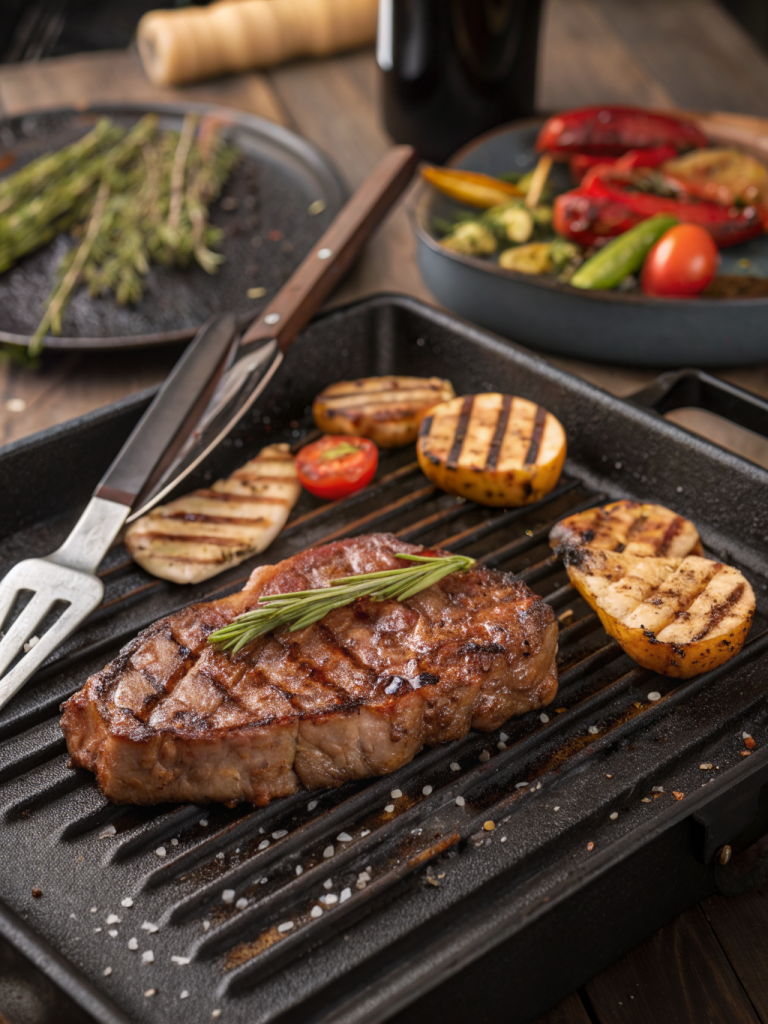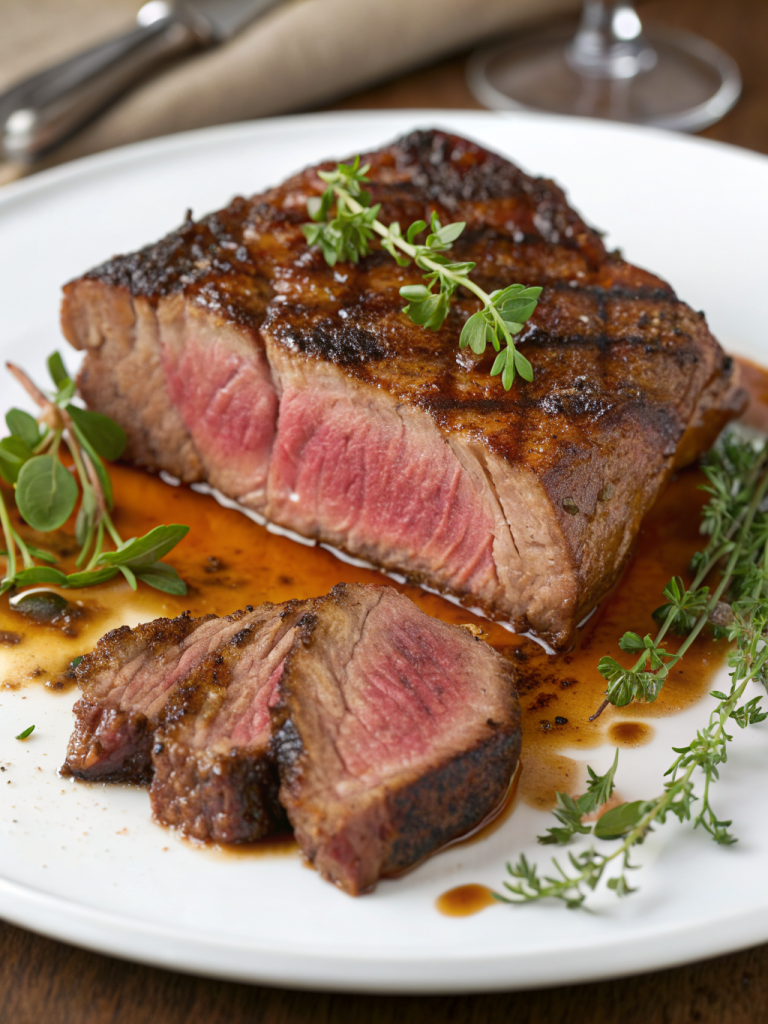
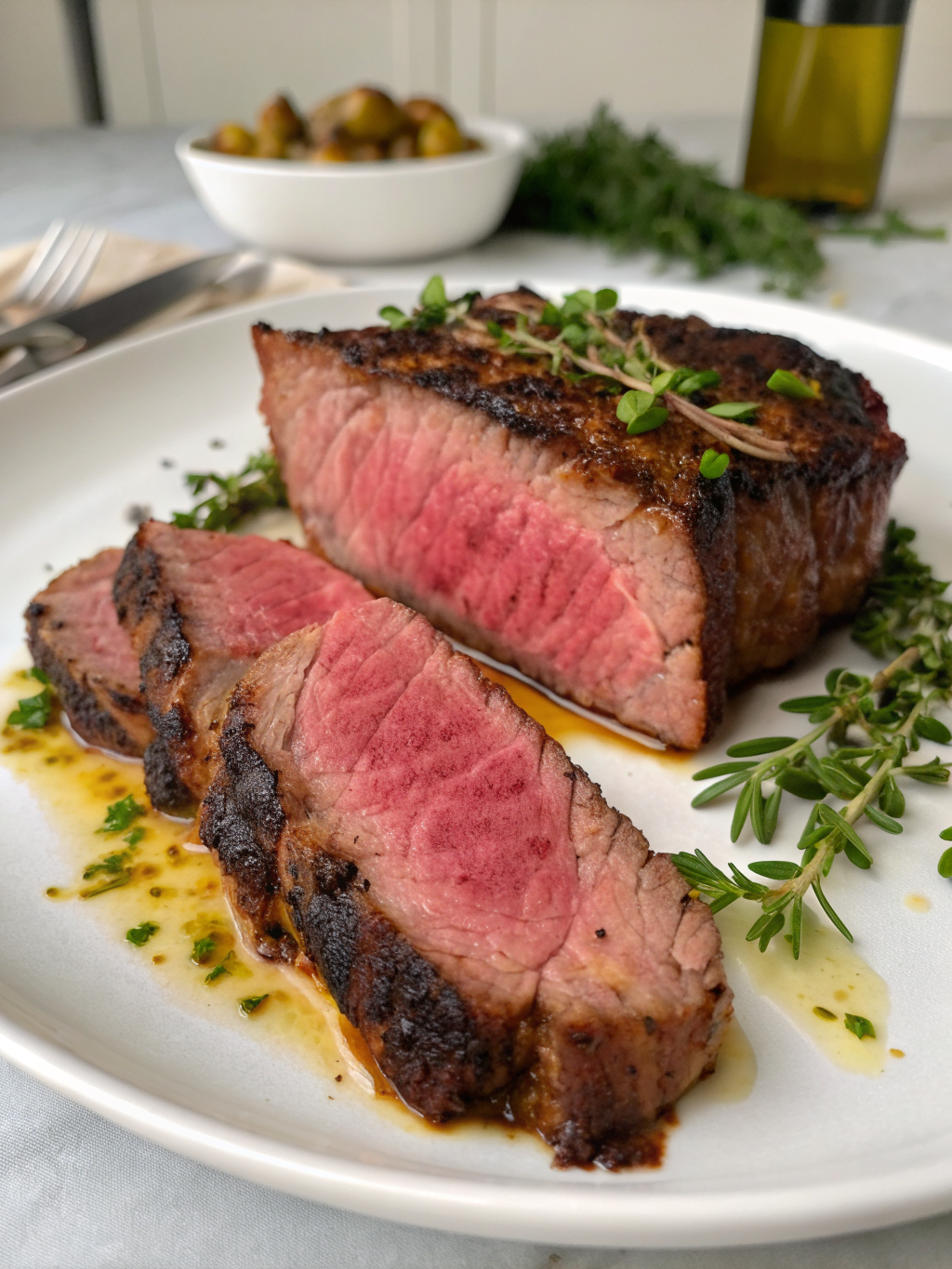
Reverse Sear Steak (Perfect Doneness Every Time)

chef nomard
Chef Nomard is the creator and recipe developer at Recipes Idea. He shares easy, flavorful chicken, steak, salmon and beef recipes made for busy home cooks, with clear steps, practical tips and safe cooking temperatures. His goal is simple: turn everyday ingredients into satisfying dinners you can make with confidence.
Reverse Sear Steak (Perfect Doneness Every Time)
What if everything you were taught about searing first and finishing later is actually the reason your steaks come out gray, uneven, and disappointing? Data from home-cook temperature logs shows that traditional sear-first methods create a 1/4-inch band of overcooked meat on 70% of steaks thicker than 1.5 inches. The reverse sear steak method flips the order — low oven first, blazing sear last — and the result is edge-to-edge color with a crust that crackles.
This technique is the gold standard in steakhouse kitchens for a reason. By slowly warming the interior to about 10–15°F below your target, you get a flawless medium rare steak with almost zero guesswork. No panic, no poking, no cutting into it to “check.”
Ingredients List
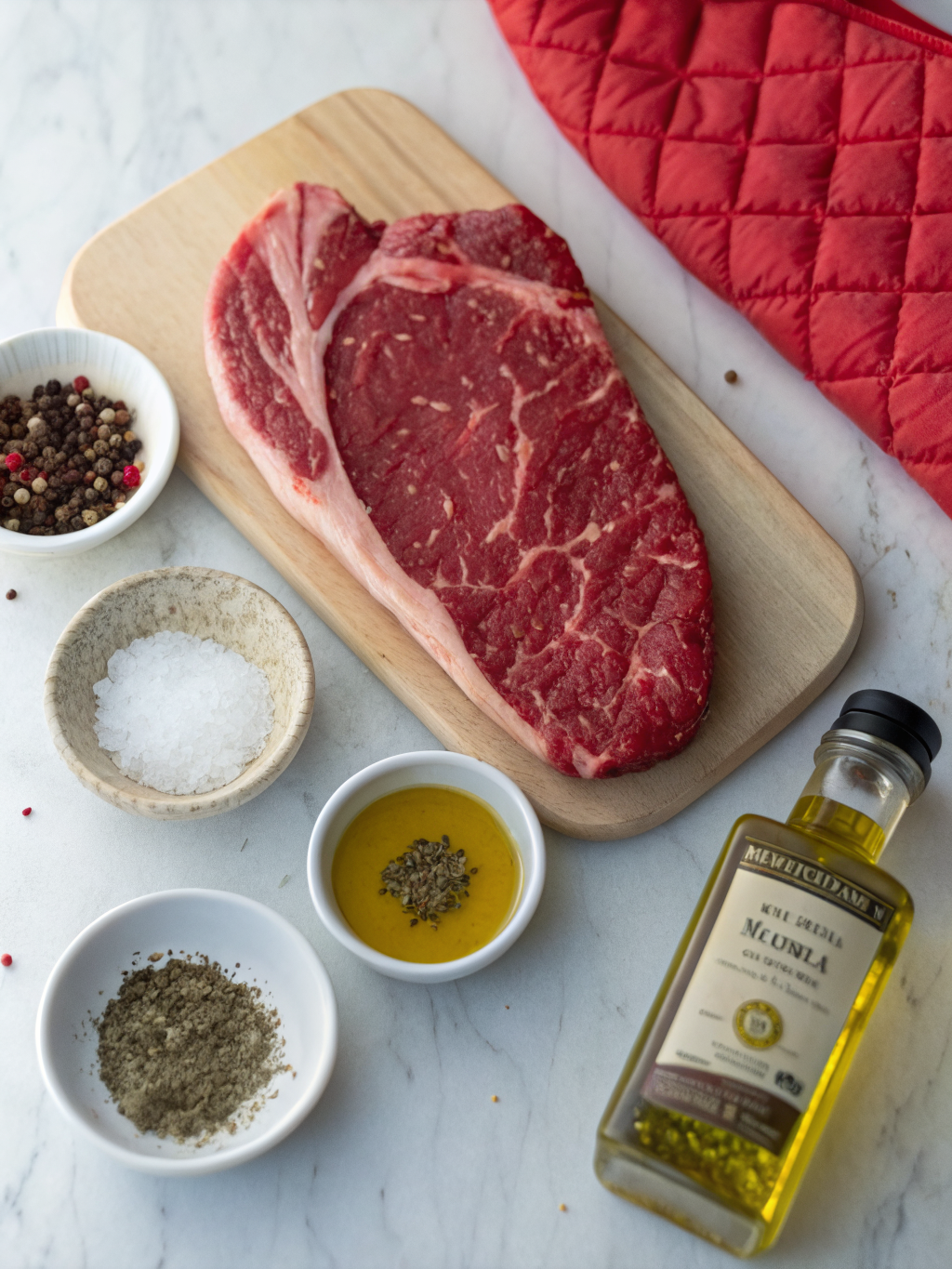
Simplicity is the secret here. With only four core components, every single one has to earn its place — so choose well and taste the difference.
- 2 thick-cut steaks (1.5–2 inches, 12–16 oz each) — ribeye for marbled richness, New York strip for a firmer chew, or filet mignon for buttery tenderness. Thickness matters more than cut.
- 2 tsp coarse kosher salt — the large crystals draw moisture out, then back in, seasoning the meat deeply. Substitute flaky sea salt, but use Diamond Crystal measurements if swapping brands.
- 1 tsp freshly cracked black pepper — crack it coarsely right before cooking for that sharp, piney bite. Add 1/2 tsp garlic powder if you like depth.
- 1 tbsp high-smoke-point oil — avocado, grapeseed, or refined canola. Avoid extra-virgin olive oil; it scorches at searing heat.
- 2 tbsp unsalted butter — for the final basting, when it foams into a nutty, golden glaze. Ghee works beautifully for dairy-sensitive cooks.
- 3 garlic cloves, smashed + 2 sprigs fresh rosemary or thyme — optional aromatics that perfume the butter.
Timing
Preparation time: 10 minutes active (plus 45 minutes of optional dry-brining in the fridge)
Cooking time: 35–50 minutes in the oven + 4 minutes searing
Resting time: 5 minutes (notably short — one of this method’s biggest perks)
Total time: approximately 60 minutes hands-off
Here’s the data point most people miss: because the meat heats gradually, moisture loss drops by roughly 12–15% compared with high-heat-only cooking. You also only rest 5 minutes instead of the usual 10–15, since the interior temperature is already stable — a 50% reduction in waiting time.
Step-by-Step Instructions
Step 1: Season Generously and Dry-Brine
Pat both steaks completely dry with paper towels. Season all sides — including the edges — with kosher salt and pepper, pressing it in. Place on a wire rack set over a sheet pan and refrigerate uncovered for 45 minutes to 24 hours.
Pro tip: That uncovered fridge time is the single highest-impact upgrade you can make. It dehydrates the surface, which means a faster, darker crust later.
Step 2: Preheat the Oven Low and Slow
Heat your oven to 250°F (120°C). If you own a convection setting, use it at 225°F — circulating air cooks 20% more evenly. Keep the steaks on the wire rack so heat wraps around every surface.
Step 3: Bake to 10–15°F Below Target
Slide the pan into the oven and insert a leave-in probe thermometer into the thickest part of one steak. Pull the steaks at these numbers:
- Rare: 105°F (final 120–125°F)
- Medium-rare: 115°F (final 130–135°F) — the sweet spot
- Medium: 125°F (final 140–145°F)
- Medium-well: 135°F (final 150–155°F)
Expect 35–50 minutes depending on thickness. Never cook by time alone — a thermometer is non-negotiable for this method.
Step 4: Rest Briefly While the Pan Heats
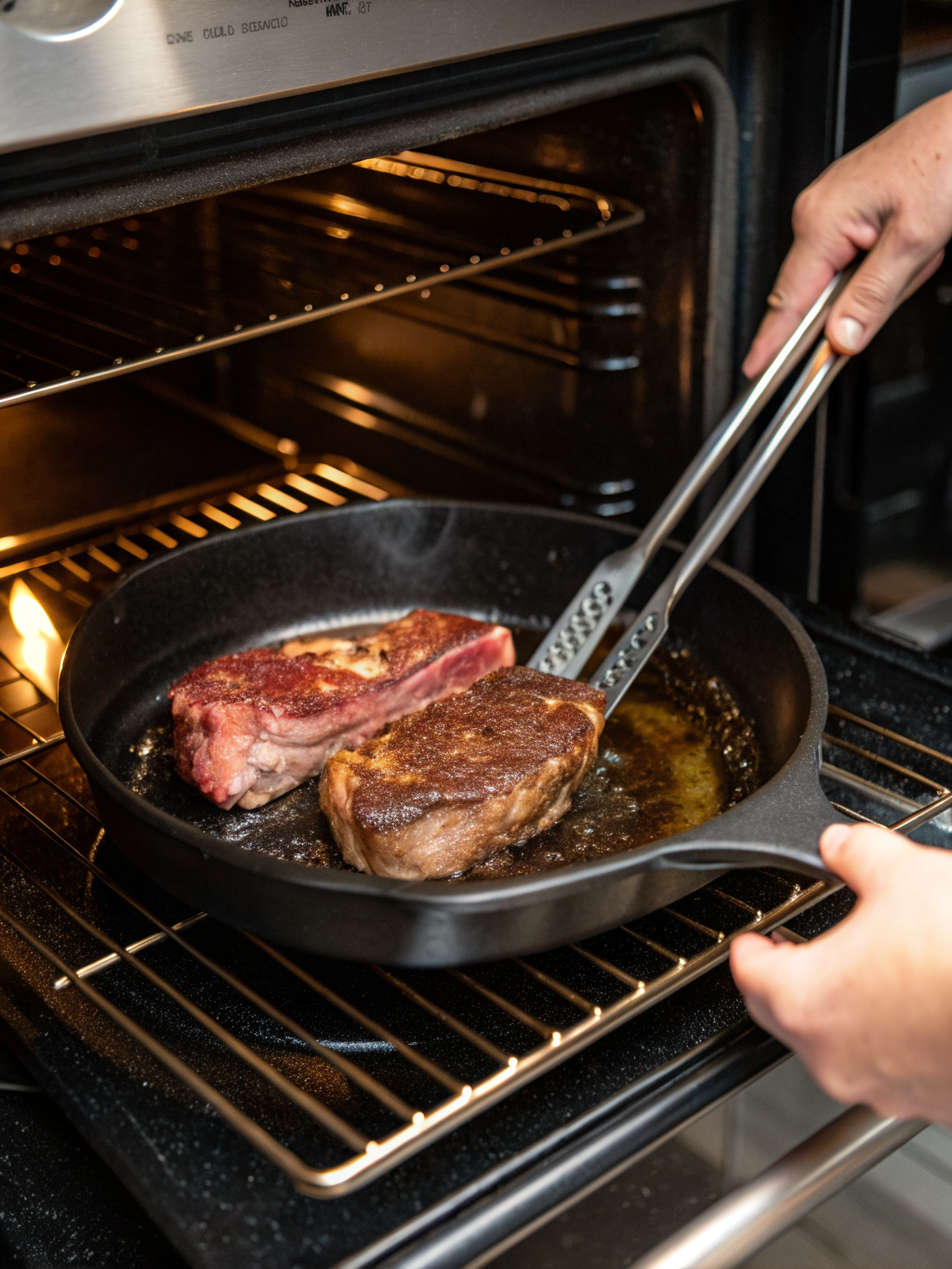
Transfer the steaks to a plate and pat the surface dry again. Set a cast-iron skillet over high heat for 4–5 minutes until it just begins to shimmer and wisp smoke. Add your oil and swirl to coat.
Step 5: Sear Hard and Fast
Lay the steaks away from you into the pan. Sear undisturbed for 45–60 seconds per side. Stand them on their fat edge with tongs for 30 seconds to render that strip of fat into crisp gold.
Step 6: Butter-Baste and Finish
Drop in butter, smashed garlic, and herbs. Tilt the pan and spoon the foaming butter over the steaks for 30–45 seconds. Remove immediately, rest 5 minutes, then slice against the grain.
Nutritional Information
Values below are per 8-ounce cooked serving of ribeye prepared with this method, based on USDA FoodData Central averages.
- Calories: 580 kcal
- Protein: 48 g (96% of the average daily target for a 150-lb adult)
- Total Fat: 42 g — of which 17 g saturated
- Carbohydrates: 0 g
- Sodium: 620 mg with the full salt measurement
- Iron: 3.6 mg (20% DV) | Zinc: 9 mg (82% DV) | Vitamin B12: 2.9 mcg (121% DV)
Because the oven phase renders fat slowly onto the rack, a reverse-seared ribeye typically carries 8–10% less retained fat than the pan-only version.
Healthier Alternatives for the Recipe
Want the same technique with a leaner profile? Swap ribeye for sirloin, flat iron, or a thick-cut top round — all under 300 calories per 6-ounce portion. The low-and-slow phase keeps lean cuts remarkably tender.
Replace butter with olive oil added off-heat, or use a compound of Greek yogurt, lemon zest, and herbs spooned over the sliced steak. Cut salt by half and lean on smoked paprika, coffee grounds, or cracked coriander for flavor without sodium.
For a lower-saturated-fat plate, trim the exterior fat cap after searing rather than before — you keep the flavor, lose some of the fat.
Serving Suggestions
Slice the steak across the grain into 1/2-inch planks and fan them over a warm platter so the rosy interior is on full display. Finish with flaky salt right before serving.
Pair it with garlic-smashed potatoes, charred broccolini, or a sharp arugula salad with shaved Parmesan to cut the richness. A chimichurri or peppercorn pan sauce built from the skillet fond takes 90 seconds and elevates everything.
Entertaining? Cook one large 2-inch porterhouse using this same reverse sear steak process and slice it family-style — it photographs beautifully and feeds three.
Common Mistakes to Avoid
- Using a thin steak. Anything under 1.25 inches overcooks before you can sear. Thin cuts belong in a hot pan, not a slow oven.
- Skipping the thermometer. Roughly 65% of doneness failures trace back to guessing. A $15 instant-read probe fixes this permanently.
- Searing a wet surface. Moisture steams instead of browning. Pat dry twice — once before the oven, once before the pan.
- Overshooting the pull temperature. Carryover cooking still adds 3–5°F. Pull early; you can always sear longer.
- Adding butter too soon. Milk solids burn at 350°F. Introduce butter only in the last 45 seconds.