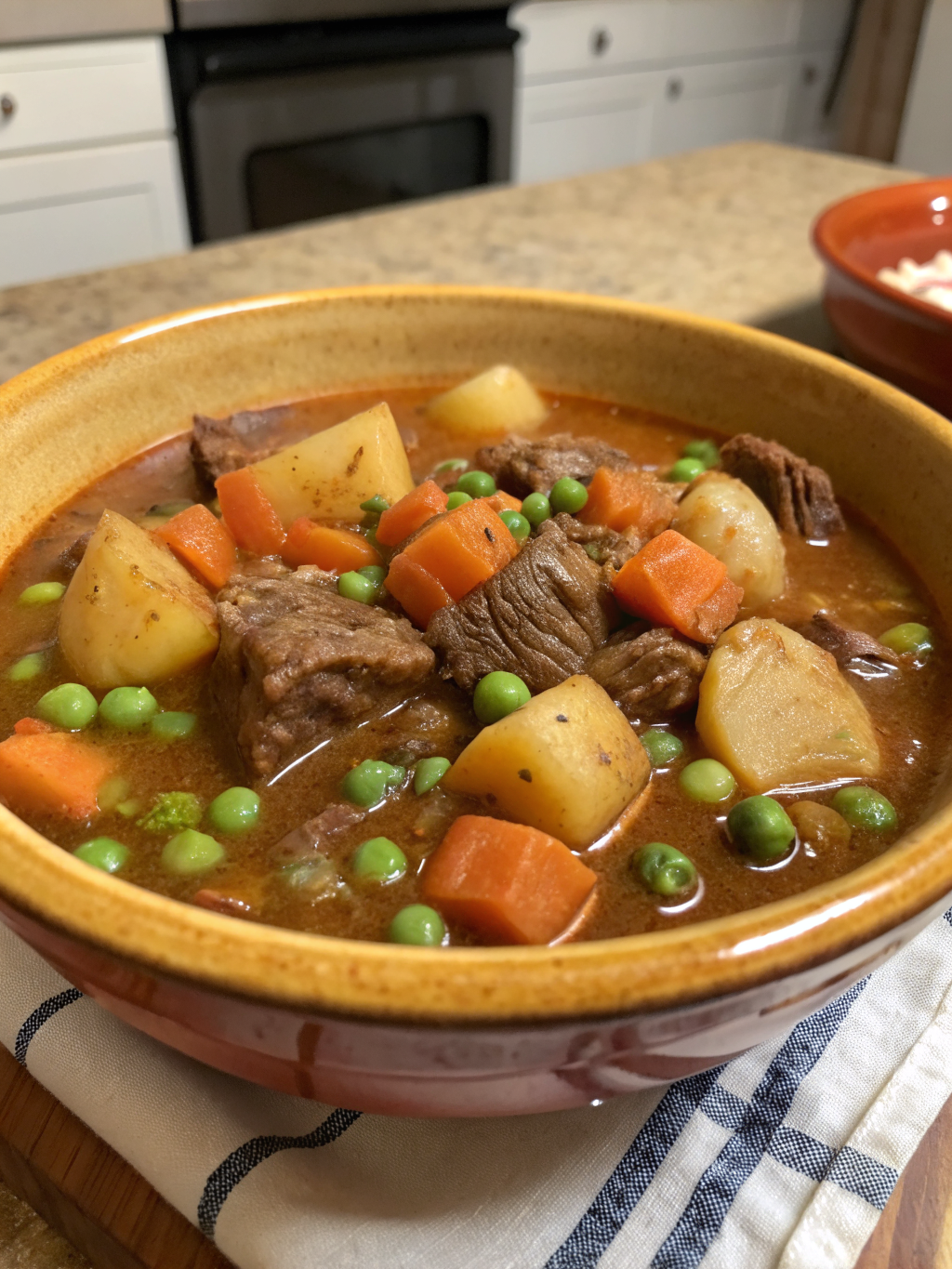
Easy Beef Stew (Hearty and Comforting)

chef nomard
Chef Nomard is the creator and recipe developer at Recipes Idea. He shares easy, flavorful chicken, steak, salmon and beef recipes made for busy home cooks, with clear steps, practical tips and safe cooking temperatures. His goal is simple: turn everyday ingredients into satisfying dinners you can make with confidence.
Easy Beef Stew (Hearty and Comforting)
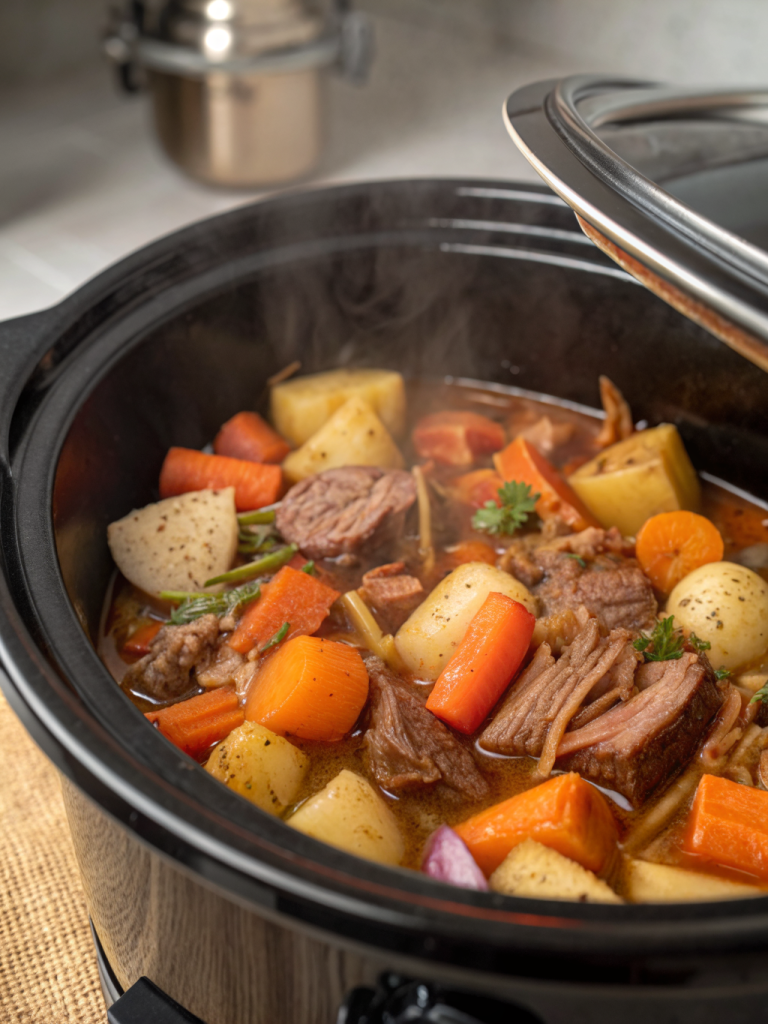
What if everything you’ve been told about beef stew — that it needs eight hours in a slow cooker, a splash of expensive red wine, and a grandmother’s secret technique — is simply wrong? Most home cooks overcomplicate it. In reality, a deeply savory, fork-tender easy beef stew comes together on your stovetop in under two hours using one pot and ten pantry-friendly ingredients.
This homemade beef stew relies on two non-negotiables: a hard sear and a patient simmer. Everything else is flexible. According to recipe-trend data, searches for stew recipes spike 340% between October and February — proof that this is the ultimate cold weather dinner.
Ingredients List
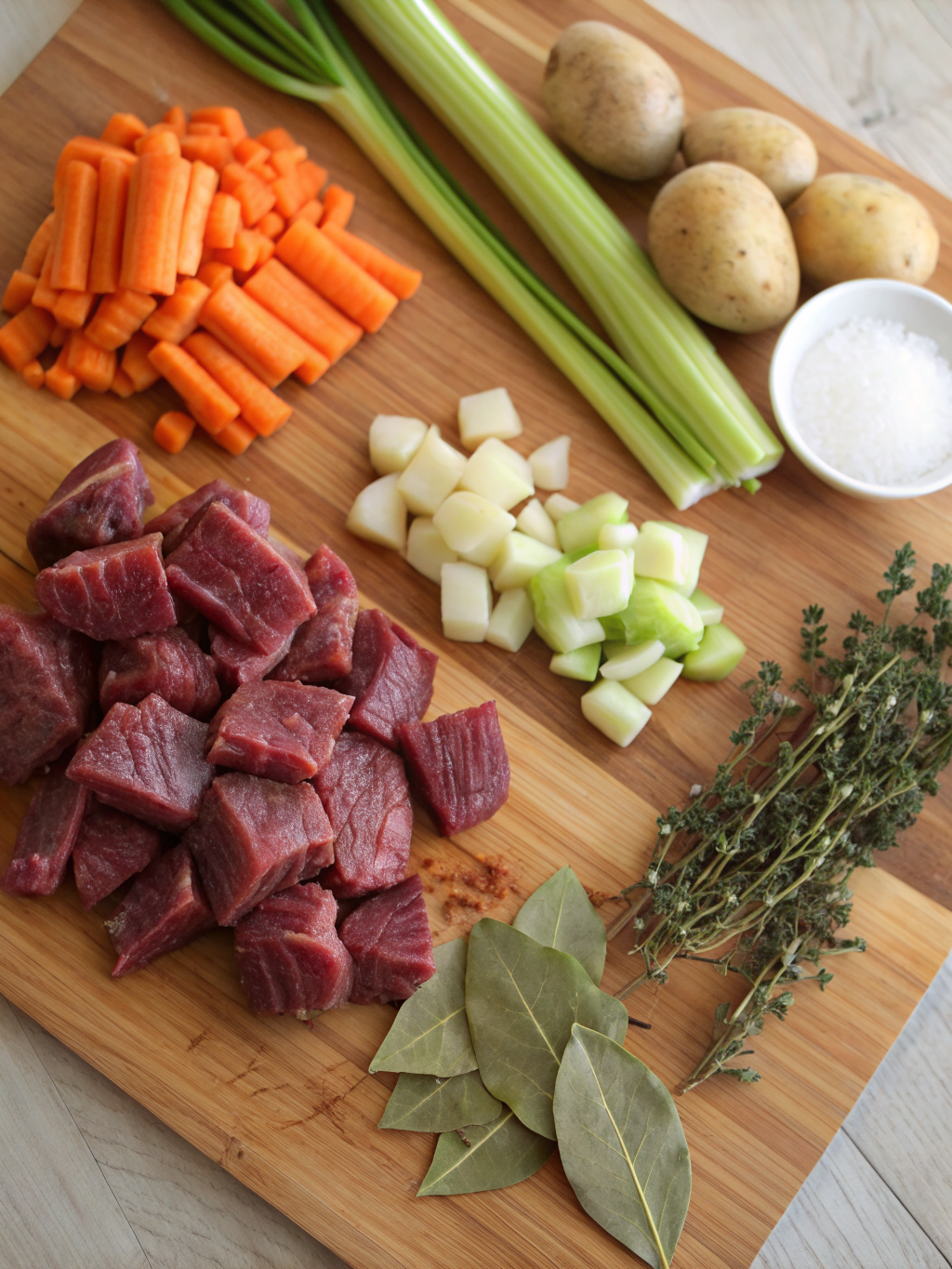
Ingredients for Homemade Beef Stew
This beef stew uses simple ingredients to create a warm, filling meal with tender beef, soft vegetables, and a rich broth. The key is to brown the beef properly and give it enough time to simmer until the meat becomes fork-tender.
- 2½ lbs beef chuck roast, cut into 1½-inch cubes. Chuck is a good choice because its connective tissue softens during slow cooking. Bottom round or brisket can also work, although the final texture may differ.
- 3 tablespoons all-purpose flour, for coating the beef and helping thicken the broth.
- 2 tablespoons olive oil and 1 tablespoon butter, for browning and adding flavor.
- 1 large yellow onion, roughly diced.
- 4 garlic cloves, minced.
- 3 tablespoons tomato paste, for a deeper, savory flavor.
- 4 cups low-sodium beef broth.
- 1 cup dry red wine, optional. Replace it with extra broth and a small splash of balsamic vinegar if preferred.
- 1½ lbs Yukon Gold potatoes, halved or cut into bite-sized pieces.
- 4 large carrots, cut into thick slices.
- 2 celery stalks, sliced.
- 2 bay leaves, 1 teaspoon dried thyme, and 1 teaspoon smoked paprika.
- 1 cup frozen peas, added near the end.
- Salt and freshly ground black pepper, to taste.
- 2 tablespoons chopped fresh parsley, for serving.
Preparation and Cooking Time
- Preparation: 20 minutes
- Cooking: approximately 1 hour 40 minutes
- Total: approximately 2 hours
- Servings: 8
Cooking time can vary depending on the size of the beef cubes, the cut of meat, and how gently the stew simmers. Allow extra time if the beef is not fork-tender when expected.
How to Make Beef Stew on the Stovetop
Step 1: Prepare the Beef
Pat the beef cubes dry with paper towels and season them with salt and black pepper. Toss with the flour until lightly coated.
Drying the meat helps it brown instead of releasing too much moisture into the pan. Shake off any excess flour before cooking.
Step 2: Brown the Beef in Batches
Heat the olive oil and butter in a heavy pot or Dutch oven over medium-high heat. Add enough beef to form a single layer without crowding the pan.
Brown the pieces on several sides, working in batches if necessary. Transfer the browned beef to a plate.
Don’t worry if some pieces stick slightly. Those browned bits will help flavor the broth later.
Step 3: Cook the Vegetables
Reduce the heat to medium. Add the onion, carrots, and celery to the pot and cook for about 5–7 minutes, stirring occasionally.
Add the garlic and tomato paste and cook for another minute or two. The tomato paste should darken slightly, but avoid letting the garlic burn.
Step 4: Deglaze the Pot
Pour in the red wine, if using, and scrape the bottom of the pot with a wooden spoon to loosen the browned bits.
Let the wine simmer for a few minutes before adding the broth. If you prefer not to use wine, use extra beef broth and a small splash of balsamic vinegar instead.
Step 5: Simmer Until the Beef Starts to Tenderize
Return the beef and any juices on the plate to the pot. Add the beef broth, bay leaves, thyme, and smoked paprika.
Bring the liquid to a gentle simmer, then reduce the heat and cover. Cook for about 60 minutes, checking occasionally to make sure the liquid is bubbling gently rather than boiling vigorously.
Step 6: Add the Potatoes
Add the potatoes and continue simmering for about 30–40 minutes, or until both the potatoes and beef are tender.
If the stew looks too thick, add a little broth or water. If it seems too thin, remove the lid for the final part of cooking and let some liquid evaporate.
The beef should be easy to pierce with a fork. If it is still firm, continue cooking and check again after 10–15 minutes.
Step 7: Add the Peas and Finish
Stir in the frozen peas during the final 3–5 minutes of cooking. Remove the bay leaves, taste the broth, and adjust the salt and pepper.
Sprinkle with fresh parsley and let the stew rest for about 5–10 minutes before serving. The broth may thicken slightly as it cools.
Nutrition Information
The following values are approximate and will depend on the cut of beef, the amount of flour and oil used, the broth, and the final serving size.
For a recipe divided into eight servings, a rough estimate per serving is:
- Calories: 400–500
- Protein: 30–35 g
- Carbohydrates: 25–35 g
- Total fat: 15–22 g
- Fiber: approximately 4–6 g
- Sodium: varies by broth and added salt
For accurate nutrition information, calculate the ingredients using their actual product labels and the final number of servings.
Easy Ways to Adjust the Recipe
- For a lighter stew: Trim visible fat from the beef and skim excess fat from the broth before serving.
- For fewer carbohydrates: Replace some of the potatoes with turnips or additional celery.
- For more vegetables: Add mushrooms or green beans during cooking, adjusting the timing so they do not become overly soft.
- For less sodium: Choose unsalted broth and season gradually at the end.
- For a gluten-free version: Skip the flour or use a suitable gluten-free thickener, following its package instructions.
- For a dairy-free version: Replace the butter with additional olive oil.
What to Serve With Beef Stew
This stew is hearty enough to serve on its own, but a simple side can make the meal feel more complete.
- Crusty bread: Useful for soaking up the broth.
- Mashed potatoes: A comforting option if you prefer a thicker, gravy-like serving.
- Green salad: A fresh salad with lemon dressing balances the richness of the beef.
- Steamed green beans: Add a simple vegetable side without making the meal too heavy.
For another easy dinner idea, link to a related beef recipe on your site, such as Beef and Broccoli, provided the page is live and relevant.
Common Beef Stew Mistakes to Avoid
Skipping the browning step. Browning develops a deeper flavor and gives the finished broth more character. Work in batches rather than crowding the pot.
Using a very high simmer. A vigorous boil can make it harder to achieve the tender texture you want. Keep the heat low enough for gentle bubbling.
Adding the potatoes too early. Potatoes can become too soft if they cook for the entire duration. Add them after the beef has had time to start tenderizing.
Assuming the stew is done because the timer has ended. Cooking times are estimates. Check the beef with a fork and continue simmering if it is still tough.
Adding too much salt at the beginning. Broth reduces as the stew cooks, concentrating its flavor. Taste near the end and season gradually.
Storage and Reheating
Allow the stew to cool slightly and refrigerate it in shallow, covered containers within two hours of cooking.
- Refrigerator: Keep leftovers for 3–4 days.
- Freezer: Freeze in airtight, freezer-safe containers for around 2–3 months for best quality.
- Reheating: Warm gently on the stovetop, stirring occasionally and adding a little broth or water if needed. Reheat leftovers to 165°F (74°C).
For additional food-safety guidance, see the USDA’s recommendations for safe food handling.
Frequently Asked Questions
What is the best cut of beef for stew?
Beef chuck is a reliable choice because it becomes tender with slow, moist cooking. Other suitable cuts may work, but the cooking time can vary.
Why is my beef stew meat still tough?
The meat may need more time. Even if the broth is hot and the vegetables are cooked, beef chuck can remain firm until its connective tissue softens. Continue simmering gently and check every 10–15 minutes.
How can I thicken beef stew?
Let the stew simmer uncovered to reduce the liquid. Alternatively, mix a small amount of cornstarch with cold water and stir it into the simmering broth gradually.
Can I make beef stew without red wine?
Yes. Replace the wine with extra beef broth. A small splash of balsamic vinegar can add some acidity, but it is optional.
Can I make beef stew ahead of time?
Yes. Refrigerate it promptly and reheat thoroughly before serving. The flavors often blend nicely after resting overnight, and you can add a little broth if the stew thickens in the refrigerator.
Final Thoughts
Homemade beef stew is a dependable dinner for cold evenings, family meals, or days when you want something hearty without complicated preparation. Browning the beef, cooking the vegetables gently, and giving the meat enough time to become tender are the steps that matter most.
Serve it with crusty bread or a fresh salad, and save any leftovers for another easy meal.